Spend a Little, Feel a Lot: Your Personalized Roadmap to a Happier Wallet and Life
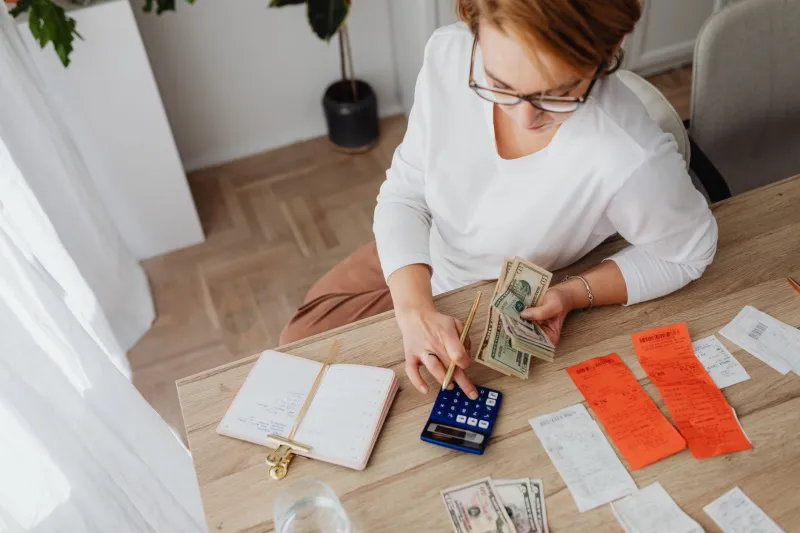
Most of us have a budget for groceries, rent, and maybe a Netflix subscription. But when was the last time you deliberately set aside money — even just a little — for joy? Not a vacation fund, not a rainy-day account. Just a dedicated, guilt-free pool of resources earmarked for feeling genuinely good.
It sounds almost radical, right? But researchers and financial wellness coaches across the country are increasingly landing on the same conclusion: intentional spending on happiness isn't a luxury. It's a strategy.
Why Most People Get This Completely Backwards
Here's the thing about happiness and money: most Americans assume the relationship is linear. More money equals more joy. But the science tells a more nuanced story. A landmark study from Princeton found that emotional well-being tends to plateau around $75,000 in annual income (a figure that's been updated closer to $100,000 in more recent research, adjusted for inflation). After that, more cash doesn't automatically translate into more smiles.
What does move the needle? How you spend it.
"I see clients making six figures who are miserable, and others scraping by on $40,000 who have rich, joyful lives," says Dr. Priya Nair, a licensed therapist and wellness coach based in Austin, Texas. "The difference is almost always intentionality. The happier people have figured out what actually lights them up and they protect that, financially and with their time."
That word — intentionality — is the whole ballgame.
The Joy Audit: Know Before You Spend
Before you can build a joy budget, you need to figure out what actually makes you happy. Not what should make you happy. Not what makes your coworker happy. You.
Try this simple exercise: For one week, keep a running note on your phone. Every time you feel a genuine lift — a spark, a laugh, a deep breath of relief — jot it down. At the end of the week, look for patterns.
Anandville reader Tamara J., a 34-year-old teacher from Columbus, Ohio, tried this and was surprised by what she found. "I thought I needed a spa day or a big trip to feel recharged. But my list was full of stuff like: morning walk with my dog, cooking a new recipe on Thursday night, calling my college roommate. None of that costs much at all."
For others, the audit reveals that certain paid experiences genuinely deliver. Marcus T., a 41-year-old logistics manager from Atlanta, discovered that his monthly improv comedy class — $60 a session — gave him more sustained happiness than the annual beach vacation he'd been taking for years.
"I laughed harder in that class than I had in months," he says. "And I kept laughing about it for days after. The vacation was great, but I was stressed about work the whole time."
Building Your Actual Joy Budget
Once you know what moves you, it's time to make it official. Financial wellness experts suggest treating joy spending the way you'd treat any other budget category — give it a name, give it a number, and protect it.
Here's a simple three-tier framework to get started:
Tier 1: Free Joy (Cost: $0) This is your foundation. Community events, public parks, library programs, neighborhood block parties, free museum days — America is full of zero-cost joy if you know where to look. Check your local parks and rec department website, your library's events calendar, and apps like Meetup or Eventbrite filtered by price. Commit to doing at least one free joy activity per week.
Tier 2: Small Splurges ($5–$50/month) Think of this as your joy maintenance fund. A nice candle, a new book, a cooking class, a yoga drop-in, a dinner out with a friend you've been meaning to see. This tier should be guilt-free and non-negotiable. Even $20 a month set aside specifically for this purpose changes the psychological relationship you have with the spending.
Tier 3: Bigger Investments ($50–$200/month or saved toward) This is where recurring experiences live — a gym membership that you actually use and love, a monthly pottery class, a season pass to a local theater. These require more commitment, but when they're aligned with what your joy audit revealed, they tend to pay off consistently.
What Real Budgets Look Like
Anandville asked a handful of readers to share their actual joy spending. Here's what came back:
- Keisha, 29, nurse, Chicago: "I spend $0 on joy most weeks. My happy place is cooking elaborate Sunday dinners and having people over. I split the grocery cost with friends. Total: maybe $15 each."
- David, 52, small business owner, Phoenix: "I budget $75 a month for golf range sessions. It's my therapy. Worth every penny."
- Sofia, 38, stay-at-home mom, Portland, OR: "We do one free family thing every weekend — hiking, a farmers market, the free community pool. Then I have $30 a month that's just mine. I use it for audiobooks and one nice coffee shop afternoon."
Notice anything? None of these budgets are extravagant. All of them are intentional.
The Time Budget Matters Just as Much
Here's what the money conversation often misses: time is the other currency. You can allocate $100 for joy and then never actually spend it because life gets in the way. Dr. Nair recommends scheduling joy the same way you'd schedule a dentist appointment.
"Put it in your calendar. Literally block the time," she says. "If it's not scheduled, it doesn't happen. And then people wonder why they feel depleted."
This is especially true for parents, caregivers, and anyone with a demanding job. The joy budget isn't selfish — it's sustainable. You can't pour from an empty cup, as the saying goes, and that's not just a bumper sticker. It's backed by decades of burnout research.
Start Small, Start Now
You don't need a financial overhaul to start living more joyfully. You need a decision. This week, pick one thing from your joy audit and protect the time and money for it. Just one thing. See how it feels.
Chances are, it feels pretty good. And that's the whole point.
At Anandville, we believe joy isn't a reward you earn after everything else is handled. It's a practice — one worth budgeting for, one small, sparkling moment at a time.