Your Feed Is Lying to You — And Your Real Life Is Way Better Than You Think
The Scroll That's Quietly Messing With Your Head
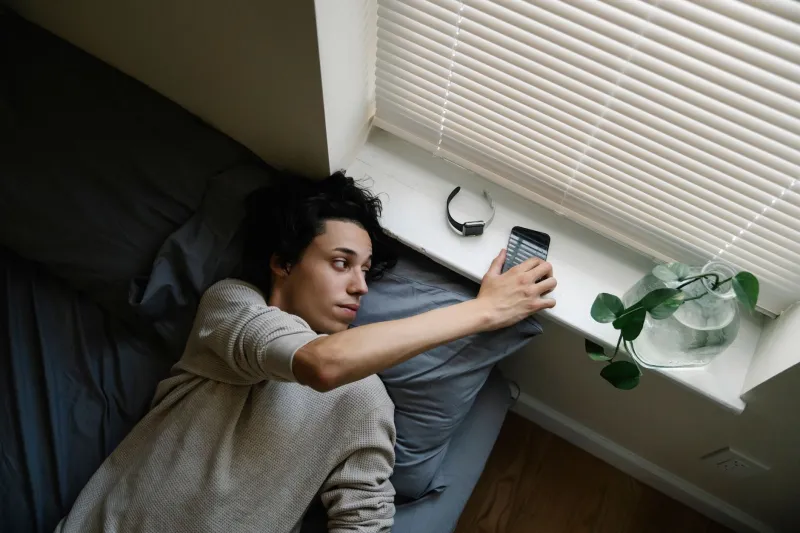
You wake up, reach for your phone, and within three minutes you've seen someone's dreamy kitchen renovation, a couple's anniversary trip to Tuscany, a friend's promotion announcement, and a stranger's impossibly toned morning workout. Then you look up at your own ceiling — maybe a little water-stained, maybe just ordinary — and something shifts. A subtle, low-grade dissatisfaction settles in before you've even had coffee.
Welcome to the comparison trap. It's not dramatic. It doesn't announce itself. It just quietly rewrites how you feel about your perfectly fine, genuinely good life.
Here's the thing nobody talks about enough: you are watching everyone else's director's cut while living your own raw footage. Their highlight reel versus your behind-the-scenes. And that comparison was never going to be fair.
What a Joy Audit Actually Is
Think of a joy audit the way you'd think of balancing a checkbook — except instead of tracking dollars, you're tracking what actually makes you feel good versus what you've been told should make you feel good.
The goal isn't to delete your Instagram or go full digital hermit. It's to get honest about the disconnect between your online consumption and your real, lived experience of happiness.
Ask yourself: When was the last time you felt genuinely content? Not impressed, not envious, not inspired — just quietly, solidly good? Chances are, that moment didn't involve a ring light. It was probably something small. A long phone call with your sister. A Saturday morning with nowhere to be. The specific smell of your neighborhood after rain.
Those moments are your actual joy inventory. And they're getting drowned out.
The Algorithm Wasn't Built for Your Happiness
Social media platforms are designed — brilliantly, ruthlessly — to keep you engaged. And nothing keeps people engaged quite like a cocktail of aspiration and mild inadequacy. You see something beautiful, you want it. You see someone thriving, you measure yourself against them. You stay on the app longer, looking for the thing that'll make you feel better, which usually just delivers more comparison.
It's not personal. The algorithm doesn't know you. It doesn't know that you've been working really hard lately, or that you're in a season of life that looks quiet from the outside but feels meaningful from the inside. It just knows what keeps your thumb moving.
Recognizing this isn't about being cynical about social media — plenty of genuine connection and real community happens online. It's about understanding the game so you can stop playing it unconsciously.
Five Ways to Recalibrate Without Going Off the Grid
1. Do a 48-hour feed audit. For two days, every time you open a social app, jot down how you feel before and after. Not a long journal entry — just a word or two. Energized. Deflated. Inspired. Annoyed. After 48 hours, patterns will emerge fast. Some accounts genuinely lift you up. Others are just habit. Now you know which is which.
2. Curate aggressively and without guilt. Unfollow, mute, or restrict anything that consistently makes you feel smaller. This includes accounts you feel obligated to follow. Your feed is not a social contract. It's a daily environment, and you're allowed to design it like one.
3. Name your real-life joy moments before you open any app. Before you scroll in the morning, spend 60 seconds mentally listing one or two things that actually made yesterday feel worth it. It sounds almost too simple, but it works as a kind of anchor — it reminds your brain what real satisfaction feels like before the curated version shows up.
4. Create before you consume. This is one of the most underrated shifts you can make. Before you open any social app, do something small and creative — write a sentence, sketch something, text a friend something you genuinely thought of. Creating puts you in a generative mindset. Consuming first thing puts you in a comparative one. The order matters more than you'd think.
5. Let some moments stay offline on purpose. Not every good thing needs to be documented. In fact, some of the best things resist documentation entirely. The next time something genuinely lovely happens — a great meal, a funny conversation, a view that stops you — try just... being in it. No photo. No story. No caption. Just you and the moment. Notice how that feels different.
The Quiet Moments That Don't Make the Feed
Here's something worth sitting with: the most joyful moments in most people's lives are wildly unphotogenic.
The relief of finishing something hard. The specific comfort of your own couch on a Friday night. A conversation that went somewhere real. The feeling of getting genuinely good news. Laughing until you can't breathe over something nobody else would understand.
None of that makes a particularly compelling grid post. And yet, if you asked most people to name the moments that made the last year feel meaningful, that's the stuff they'd describe.
The gap between what performs well online and what actually nourishes you in real life is enormous. Closing that gap — or at least becoming aware of it — is one of the most quietly radical things you can do for your own happiness.
Your Life Doesn't Need a Filter to Be Good
Anandville exists because joy is real and it's everywhere, and most of the time it's not wearing anything particularly impressive. It's in the ordinary Tuesday that goes better than expected. The neighbor who waves every morning. The playlist that somehow always fits your mood. The fact that you made it through something hard and came out knowing yourself a little better.
None of that needs to be validated by likes or saved by anyone else's algorithm. It's already real. It's already yours.
The joy audit isn't about finding out what's wrong with your life. It's about remembering what was right about it all along — before the scroll started telling you otherwise.
So put the phone down for a minute. Look around. Something good is probably happening right now that you almost missed.